 Joseph Vollo, DDS • Katherine Vollo, DDS
Dental Bridge vs. Partial Denture: Which One Is Right for You?
September 29, 2026
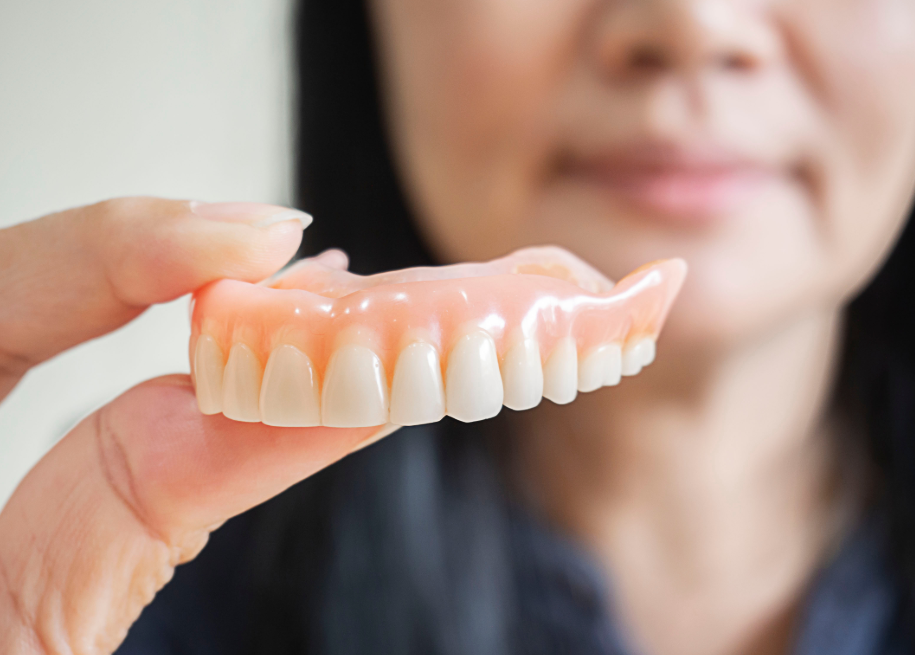
Losing multiple teeth can affect more than the appearance of your smile. Missing teeth may make it harder to chew comfortably, speak clearly, or feel confident in everyday situations. Fortunately, there are several ways to replace missing teeth. Two common options are dental bridges and partial dentures.
While both treatments can restore missing teeth, they work in different ways. Understanding how each option works can help you have a more informed conversation with your dentist about which solution may fit your smile.
How Do Dental Bridges Work?
A dental bridge is a fixed restoration designed to replace one or more missing teeth. It typically consists of an artificial tooth, called a pontic, that is supported by neighboring teeth or dental restorations.
Because a bridge is fixed in place, you do not remove it when you eat or sleep. This can make it feel more similar to your natural teeth than a removable restoration. Bridges can also help keep nearby teeth from shifting into the space left by a missing tooth.
A dental bridge may be particularly useful when the missing teeth are next to each other and the surrounding teeth are healthy enough to provide support. Your dentist will evaluate your teeth, gums, bite, and overall oral health before determining whether a bridge is appropriate.
What Is a Partial Denture?
A partial denture is a removable appliance that replaces several missing teeth. It generally includes artificial teeth attached to a gum-colored base and may use clasps or other components to stay securely in position.
One advantage of a partial denture is its versatility. Unlike a bridge, which generally replaces teeth in a specific area, a partial denture can replace multiple missing teeth in different parts of the same arch. It can also be adjusted or modified as your dental needs change.
Because partial dentures are removable, you can take them out for cleaning and while you sleep. Proper care is important for keeping both the appliance and your remaining natural teeth healthy.
Bridge vs. Partial Denture: Which Is Right for You?
The best choice depends on several factors, including how many teeth are missing, where they are located, the condition of your remaining teeth and gums, your bite, and your personal preferences.
A bridge may be appealing if you want a fixed restoration and have healthy supporting teeth next to the gap. A partial denture may make more sense when you are missing several teeth in different locations or need a removable option.
Cost, maintenance, comfort, and long-term oral health can also factor into the decision. There is no single replacement option that works for every smile, so a dental evaluation is the best way to determine which treatment makes sense for you.
Replacing missing teeth can make everyday life more comfortable and help you feel more confident in your smile.
About the Practice
Vollo Dental Group provides restorative and general dental care focused on helping patients maintain healthy, functional smiles. The practice offers both dental bridges and dentures and partials to help patients replace missing teeth and restore their ability to smile, speak, and chew comfortably. The dentists at Vollo Dental Group can evaluate each patient’s individual needs and recommend a tooth-replacement solution based on their oral health, goals, and circumstances.
Call us at (585) 225-9114 or schedule your appointment online
No Comments
No comments yet.
RSS feed for comments on this post.
Sorry, the comment form is closed at this time.