 Joseph Vollo, DDS • Katherine Vollo, DDS
Bone Grafting – Rochester, NY
Build a Strong Foundation for Your Smile
Before getting dental implants, it’s important that you have a jawbone that is both strong and dense enough to support a replacement tooth. However, after years of tooth loss, bone atrophy can catch up to you. If your jawbone isn’t strong enough, your implants could fail to bond or stay anchored in place. The good news is that if your jawbone isn’t sufficient enough, you may be a good candidate for bone grafting. This way, you can give your smile a stronger foundation. Continue reading to learn how it works and its benefits.
Why Choose Vollo Dental Group for Bond Grafting?
- Entire Dental Implant Treatment Completed Under One Roof
- State-of-the-Art Dental Technology
- Flexible Financing Options Available
What Is Bone Grafting?
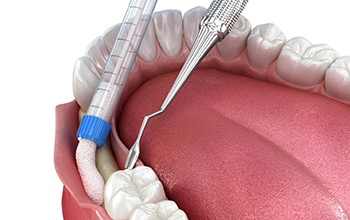
Bone grafting, also called “bone augmentation,” involved putting extra bone material into the existing jaw structure. Over time, the new bone bonds with your jaw, allowing it to become stronger and larger. Ultimately, the goal is for it to successfully integrate with and support the dental implants.
There are several different types of bone grafting. In some cases, a small amount of bone from another part of the patient’s body is used to fortify the jawbone. However, in other cases, donor bone or artificial materials can be used.
How Does Bone Grafting Work?
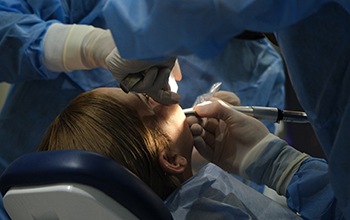
Before a bone graft begins, the mouth will be numbed with a local anesthetic so that you don’t feel a thing. Then, a small incision is made in the gums to access the jawbone tissue. The area is cleaned and disinfected before the bone grafting material is added. This can be sourced from a donor or synthetic source, or it could be taken from another part of your body. After it has been placed, it is covered with a tissue membrane that helps with healing. Then, the gum tissue is closed back up, and the healing process can begin.
Bone Grafting for Dental Implants

Those who have experienced bone loss might require a bone graft before they can replace their missing teeth with dental implants. This is because dental implants require sufficient, dense bone tissue to hold them in place, so if your jawbone isn’t sufficient enough, your dental implants would be much more likely to fail. By supplementing lost bone tissue with a bone graft, you can build a solid foundation for your replacement teeth.